


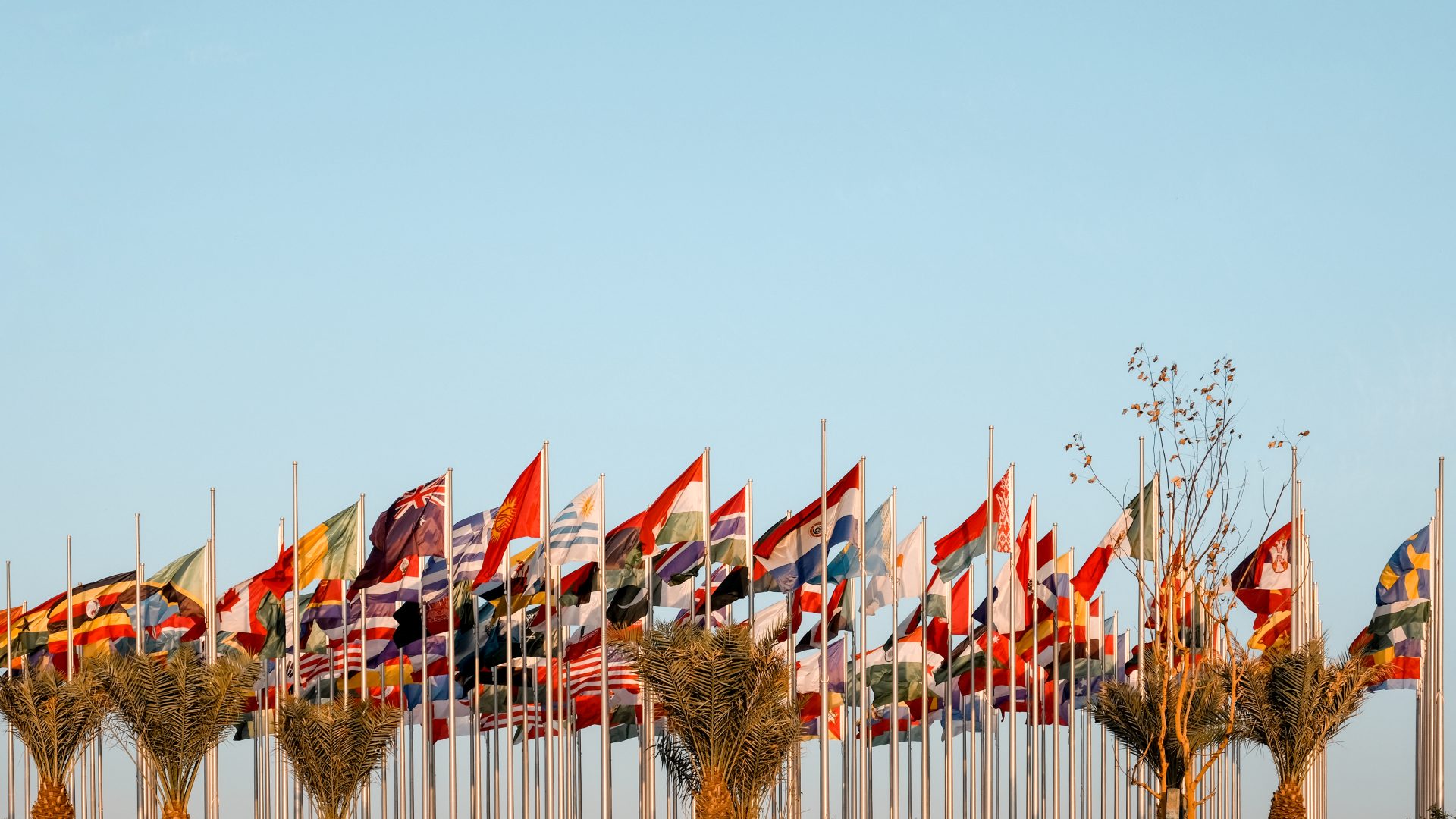
World Expos have long served as powerful instruments of national branding and international engagement, drawing tens of millions of visitors to each host city. The world’s most successful editions have combined visionary planning, cultural celebration, and large-scale infrastructure development to transform these events into milestones of tourism and innovation. From Montreal in 1967 to Japan in 2025, and soon Riyadh in 2030, each host nation has aligned its Expo with a broader national narrative, leveraging it to elevate global visibility and visitor appeal.
In Montreal, Expo 67 was positioned as the centerpiece of Canada’s centennial, turning the celebration into a unifying national moment. Organizers introduced “Expo passports,” an innovative ticketing model that replaced day passes with collectible, multi-day booklets stamped at each pavilion. This approach encouraged repeat visits, fostered a sense of participation, and created an enduring tourism symbol.
Seville’s Expo ’92 followed the same tradition of ambition, marking Spain’s global reemergence with record infrastructure investment that redefined the city’s international profile. Shanghai 2010 elevated the model further, achieving world-record site capacity and the highest visitor attendance in Expo history through unmatched scale and international participation. More recently, Dubai 2020 positioned its Expo as the UAE’s golden jubilee showcase, aligning national pride with a global message of connectivity. Japan’s upcoming Expo 2025 builds on this legacy with advanced crowd management systems integrating real-time monitoring and multimodal transport coordination, while Riyadh Expo 2030 is preparing to welcome millions through innovations such as a dedicated Expo visa and airport-integrated site access.
Across decades, these strategic initiatives reveal a consistent formula: combining national milestones with logistical innovation and visitor-focused experiences. Together, they demonstrate how World Expos have evolved beyond exhibitions to become catalysts for urban transformation, tourism growth, and enduring cultural influence.